logo-mobile
Меню
close
Academy arrow
Cart (0)
close

Antennas for communication

BlueBird Tech

Communication antennas are antennas designed for stable reception and transmission of radio signals in digital and analog communication systems. They are used in repeaters, drones, and control systems to extend signal range and improve signal quality.

cat icon

Antennas for communication from BlueBird Tech

Antennas for signal amplification, range extension, and improved communication quality in analog and digital systems.

FAT Dipole Antenna 1.2 GHz

FAT Dipole Antenna 1.2 GHz

FAT Dipole Antenna 1.2 GHz is an antenna for signal transmission and reception with linear polarization
  • Frequency range: 1.2 GHz
  • Operating band: 1000–1700 MHz
  • Gain: 2–2.7 dBi
  • Weight: 12 g
27 $
* price with VAT
23 $
* Price excluding VAT
MOXON-R 430 MHz Antenna

MOXON-R 430 MHz Antenna

The MOXON-R 430 MHz antenna is designed for use in radio communication systems where signal stability, directivity, and transmission efficiency are critically important.
  • Nominal frequency range 430 MHz
  • Operating band (SWR < 2) 410 - 560 MHz
  • Gain coefficient 5-6 dBi
  • Weight 100 g
50 $
* price with VAT
MOXON-R 370 MHz Antenna

MOXON-R 370 MHz Antenna

The MOXON-R 370 MHz antenna is designed for use in radio communication systems where signal stability, directivity, and transmission efficiency are critically important.
  • Nominal frequency range 370 MHz
  • Operating bandwidth (SWR < 2) 360 - 460 MHz
  • Gain coefficient 5-6 dBi
  • Weight 130 g
50 $
* price with VAT
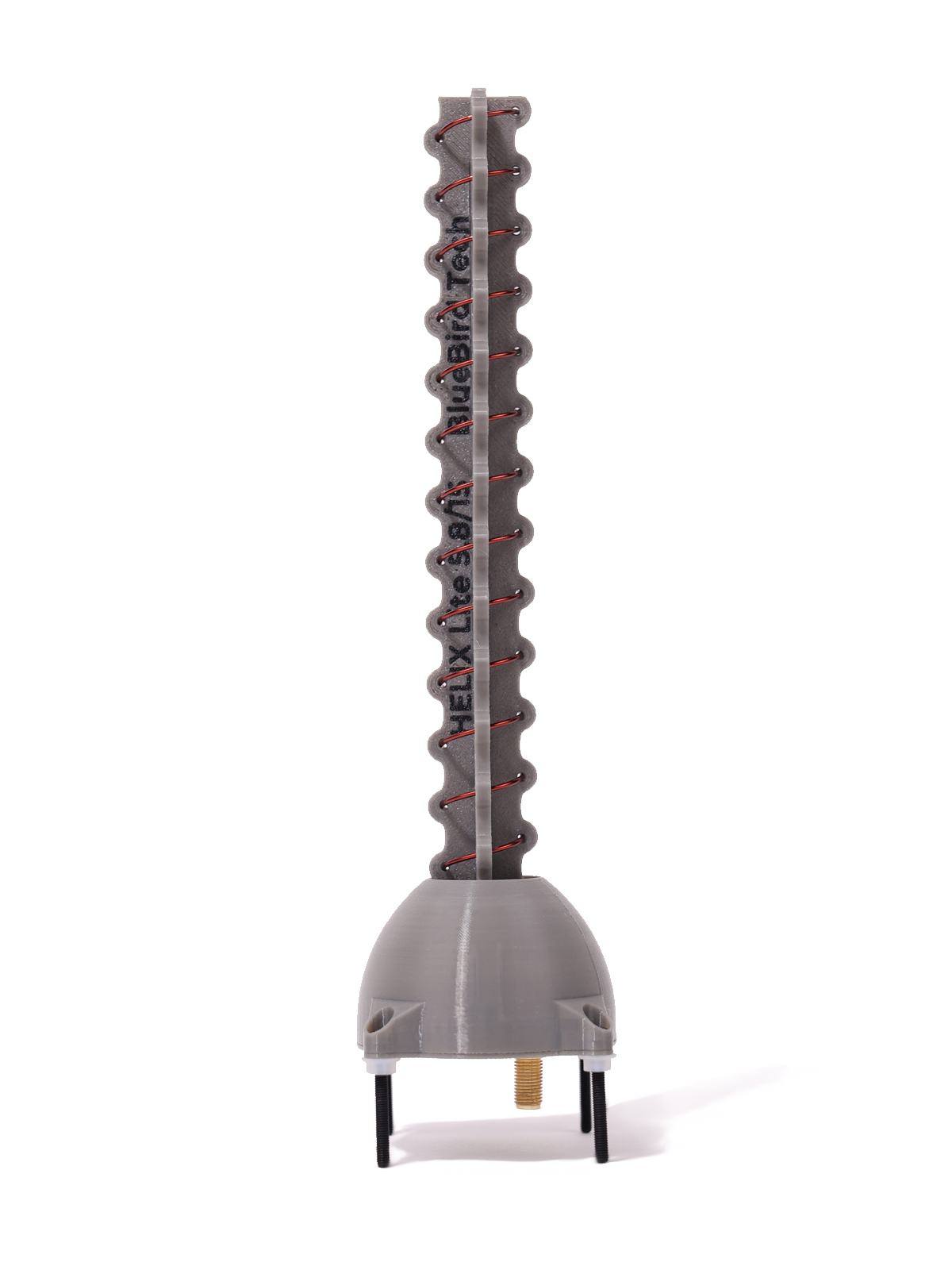
HELIX Lite 5.8/15 Antenna

HELIX Lite 5.8/15 Antenna

HELIX Lite 5.8/15 Antenna is an antenna for signal transmission and reception with circular (right-hand) polarization.
  • Frequency range: 5.8 GHz
  • Operating band: 4900–6100 MHz
  • Gain: up to 15 dBi
  • Weight: 45 g
77 $
* price with VAT
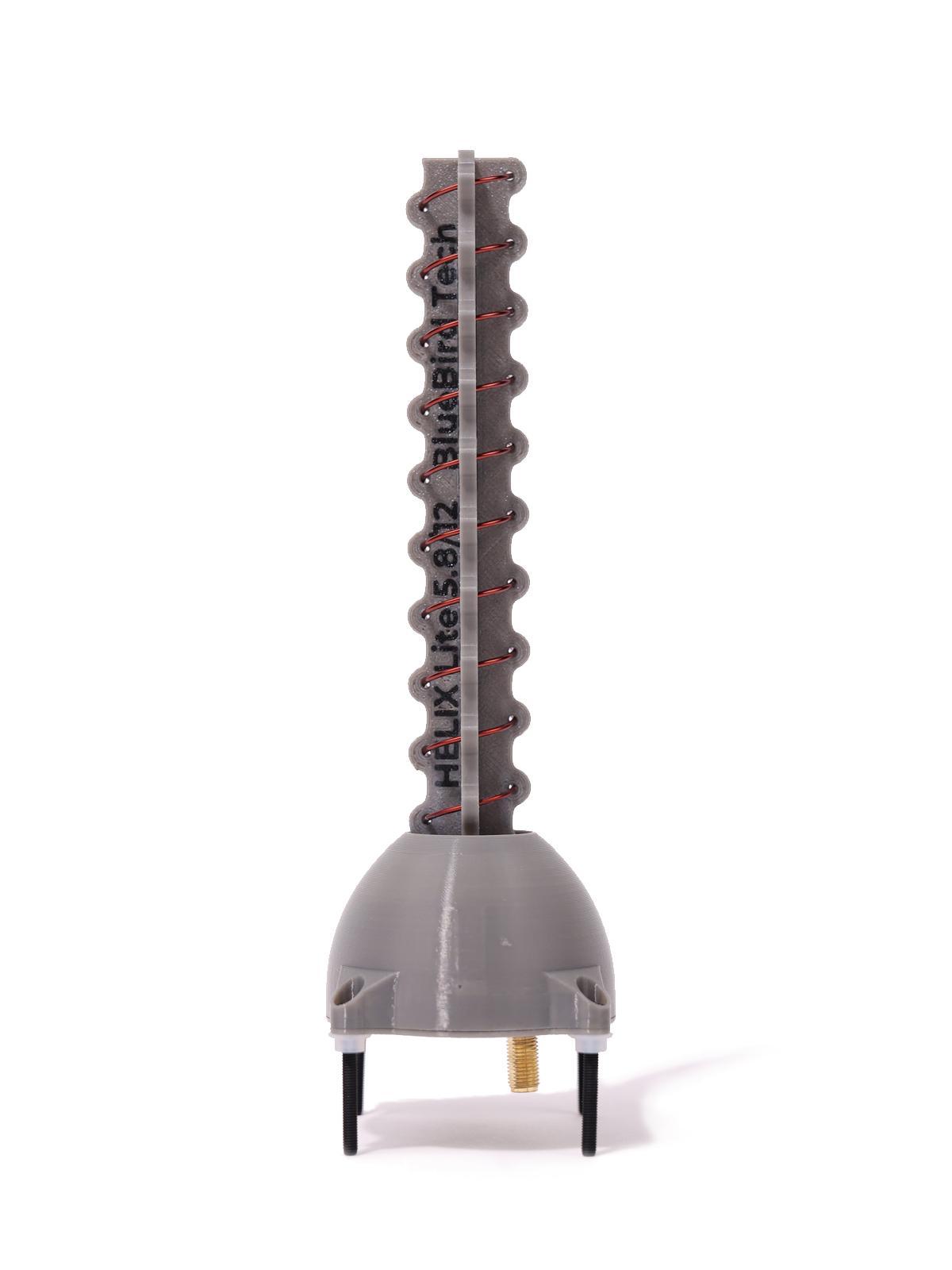
HELIX Lite 5.8/12 Antenna

HELIX Lite 5.8/12 Antenna

HELIX Lite 5.8/12 Antenna is an antenna for signal transmission and reception with circular (right-hand) polarization.
  • Frequency range: 5.8 GHz
  • Operating band: 4900–6100 MHz
  • Gain: up to 14 dBi
  • Weight: 45 g
74 $
* price with VAT
61 $
* Price excluding VAT
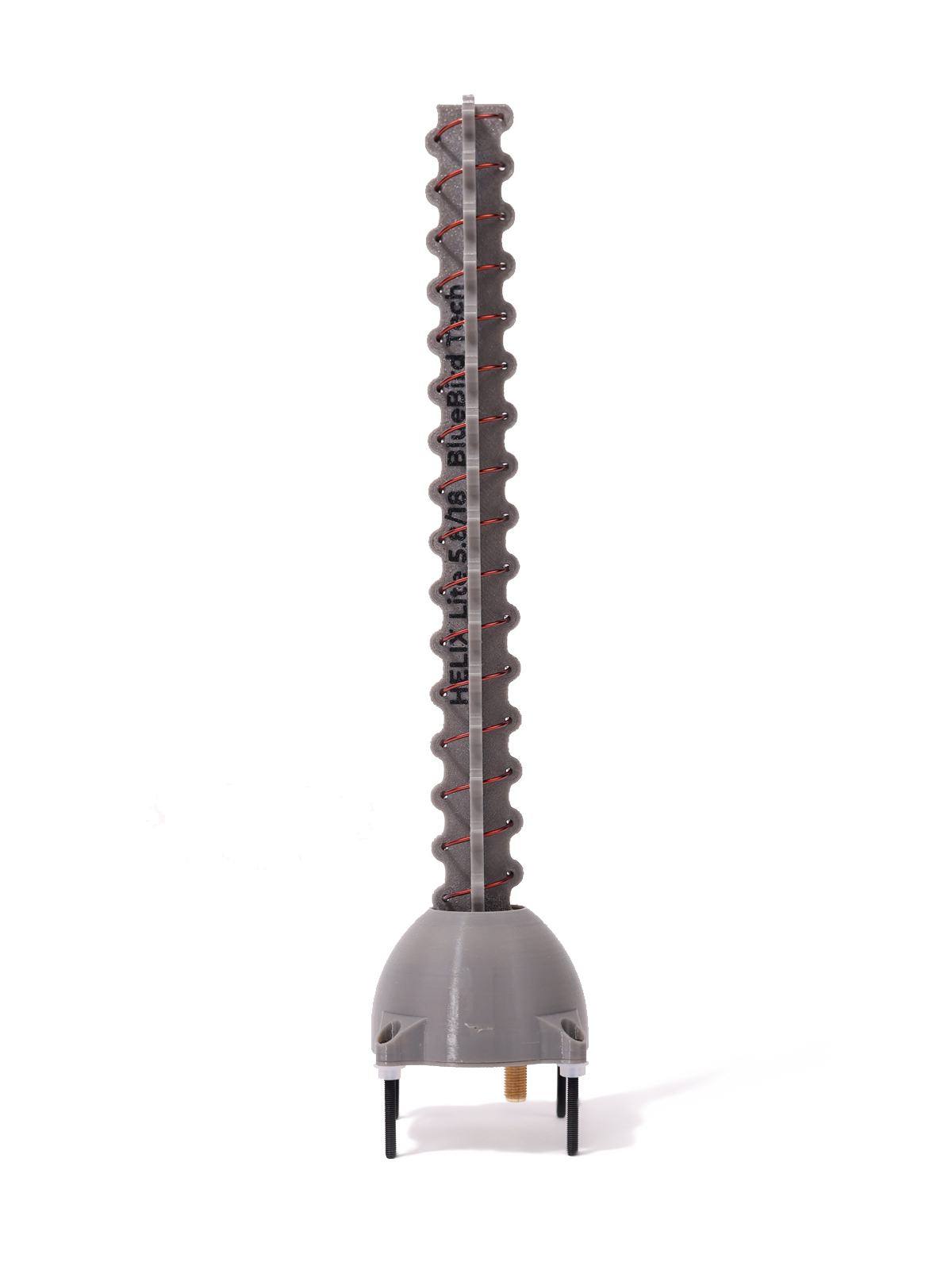
HELIX Lite 5.8/18 Antenna

HELIX Lite 5.8/18 Antenna

HELIX Lite 5.8/18 Antenna is an antenna for signal transmission and reception with circular (right-hand) polarization.
  • Frequency range: 5.8 GHz
  • Operating band: 4900–6100 MHz
  • Gain: up to 16 dBi
  • Weight: 60 g
81 $
* price with VAT
Yagi-Uda Lite 750 Antenna

Yagi-Uda Lite 750 Antenna

Yagi-Uda Lite 750 Antenna is an antenna designed to extend range and improve signal quality in digital or analog communication systems, with linear polarization.
  • Frequency range: 750 MHz
  • Operating band: 720-840 MHz
  • Gain: up to 9 dBi
  • Weight: 75 g
66 $
* price with VAT
Yagi-Uda Lite 915 Antenna

Yagi-Uda Lite 915 Antenna

Yagi-Uda Lite 915 Antenna is an antenna designed to extend range and improve signal quality in digital or analog communication systems, with linear polarization.
  • Frequency range: 915 MHz
  • Operating band: 870–1000 MHz
  • Gain: up to 9 dBi
  • Weight: 75 g
62 $
* price with VAT
Remote antenna for Chuyka detector of drones (3 m cables)

Remote antenna for Chuyka detector of drones (3 m cables)

Remote antenna for the “Chuyka” drone detector (3 m) — an antenna designed to increase reception range and communication quality for electronic intelligence systems of…
  • Frequency range: 900–1800 / 2870–4080 / 4860–6060 MHz
  • Antennas: integrated
  • Weight: 650 g
  • Cable type: SLL-240-SF or equivalent
  • Cable length: 3 m
368 $
* price with VAT
Remote antenna for Chuyka detector of drones (5 m cables)

Remote antenna for Chuyka detector of drones (5 m cables)

Remote antenna for the “Chuyka” drone detector (5 m) — an antenna designed to increase reception range and communication quality for electronic intelligence systems of…
  • Frequency range: 900–1800 / 2870–4080 / 4860–6060 MHz
  • Antennas: integrated
  • Weight: 650 g
  • Cable type: SLL-240-SF or equivalent
  • SLL-240-SF or equivalent 5 m
406 $
* price with VAT
Remote antenna for Chuyka detector of drones (10 m cables)

Remote antenna for Chuyka detector of drones (10 m cables)

Remote antenna for the “Chuyka” drone detector (10 m) — an antenna designed to increase reception range and communication quality for electronic intelligence systems of…
  • Frequency range: 900–1800 / 2870–4080 / 4860–6060 MHz
  • Antennas: integrated
  • Weight: 650 g
  • Cable type: SLL-240-SF or equivalent
  • SLL-240-SF or equivalent 10 m
445 $
* price with VAT
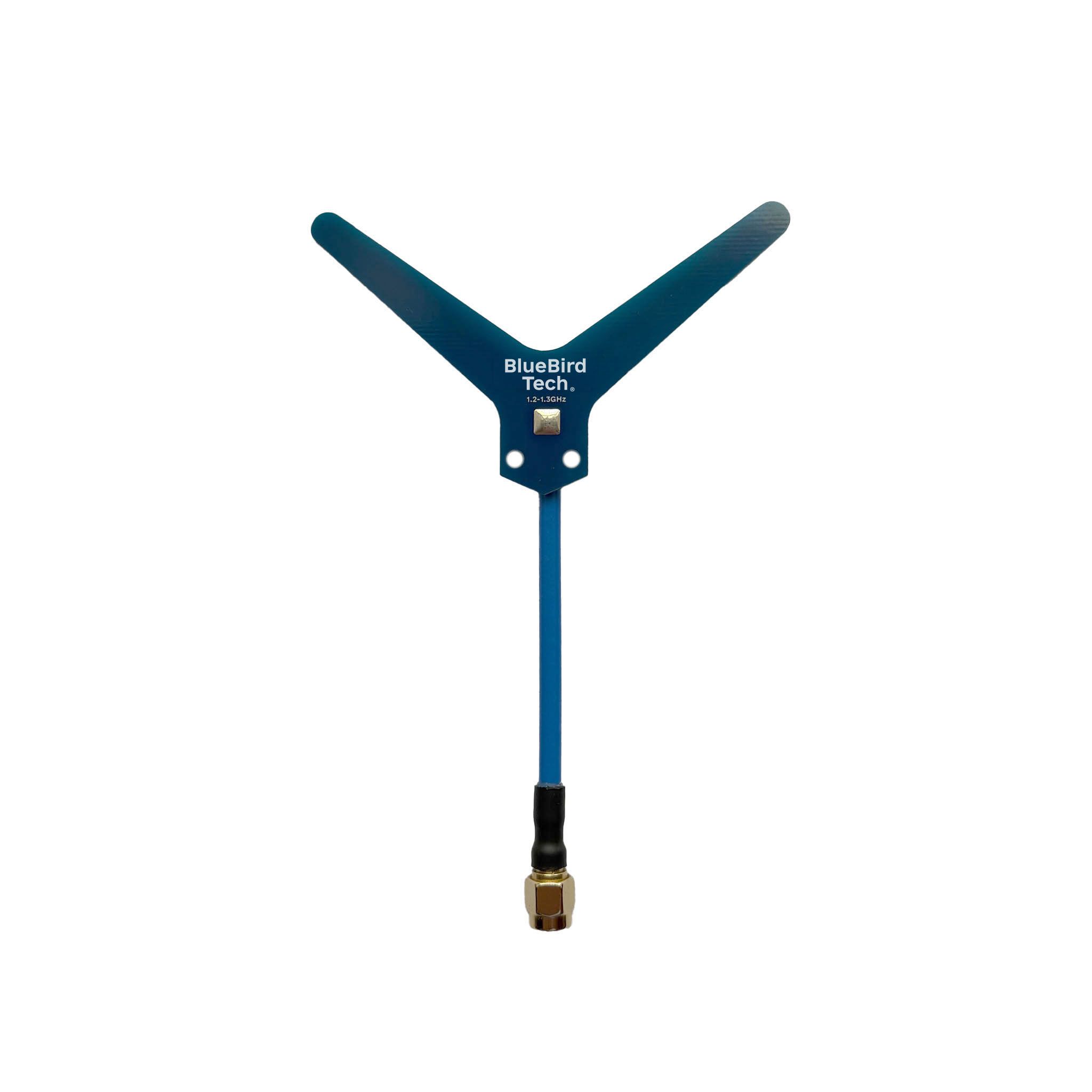
PCB VeeDip dipole antenna

PCB VeeDip dipole antenna

PCB VeeDip dipole antenna is an antenna designed for installation on UAVs, mobile repeaters, or ground-based stations for receiving and transmitting radio signals with linear…
  • Frequency range: 1.2 GHz
  • Gain: from 1.2 to 1.7 dBi
  • Weight: 11 g
11 $
* price with VAT
9 $
* Price excluding VAT
1080-1480 MHz patch antenna

1080-1480 MHz patch antenna

1080–1480 MHz patch antenna with 9.5 dBi gain is an antenna for transmitting and receiving radio signals with horizontal linear polarization.
  • Frequency range: 1080–1480 MHz
  • Gain: up to 9.5 dBi
  • Weight: 550 g
128 $
* price with VAT
5.8 GHz Patch Antenna

5.8 GHz Patch Antenna

A 5.8 GHz patch antenna with 9.5 dBi gain is an antenna for transmitting and receiving radio signals with horizontal linear polarization.
  • Frequency range: 5.8 GHz
  • Gain: up to 9.5 dBi
  • Weight: 350 g
170 $
* price with VAT
5.8 GHz HELIX antenna

5.8 GHz HELIX antenna

5.8 GHz HELIX antenna is an antenna for transmitting and receiving radio signals with circular polarization.
  • Frequency range: 4.7–6.0 GHz
  • Gain: up to 15 dBi
64 $
* price with VAT
image-bg

How to choose antennas

How to choose a communication antenna for your task

The choice of antenna depends on your system’s frequency, required range, operating mode (omnidirectional or directional), and installation scenario (drone, repeater, or ground station).

01

Why are communication antennas needed in modern conditions?

In field conditions, the signal often degrades due to terrain, buildings, and interference. Antennas allow you to:

  • increase communication range and stability;
  • improve video/telemetry quality;
  • reduce signal dropouts and “noise” on the channel;
  • adapt the system to a specific frequency and operating conditions.
02

Who are communication antennas suitable for and how are they used?

  1. Military units, to extend the range and stability of radio communication, control links, video, and telemetry on drones, repeaters, and ground stations in complex terrain and interference-heavy environments.
  2. Volunteer groups, to enhance communication during search and humanitarian missions and to coordinate teams in areas without stable infrastructure.
  3. Civil critical infrastructure sites, to ensure stable radio links in challenging conditions, including backup and field scenarios where standard networks are unreliable.
03

Principle of operation of communication antennas

The antenna receives or transmits a signal within a specific frequency range: omnidirectional models provide “all-around” coverage, while directional antennas focus and amplify the signal in a selected direction to achieve greater range.

04

Need advice on choosing an antenna?

Not sure which model or accessories are right for your specific task?

Contact us – we will help you choose the optimal solution and explain the technical details in simple terms. Phone: +38 073 864 04 07 For safety, please use only the official communication channels listed on the website.

FAQ for the “Antennas for communication” category

What are communication antennas, and what are they used for?

Communication antennas are devices used to receive and transmit radio signals in digital and analog communication systems. They are used on UAVs, repeaters, ground control stations, and other systems to improve signal quality, extend communication range, and increase overall system stability. 

What is the difference between an omnidirectional and a directional antenna?

An omnidirectional antenna transmits and receives signals in all directions around it. A directional antenna focuses the signal in a single direction, which allows for increased communication range and improved signal quality over long distances.

How do I choose the right antenna frequency for my system?

The antenna frequency must match the operating frequency range of the equipment it will be used with. Before selecting an antenna, it is important to consider the frequency of the transmitter, receiver, or control system. An improperly matched antenna can degrade communication quality and reduce operational range. 

What is a HELIX antenna used for?

HELIX antennas are used for transmitting and receiving signals over long distances. Thanks to their circular polarization, they provide stable communication even when a drone or repeater changes its orientation in space. These antennas are commonly used for video links and data transmission systems. 

What applications are Yagi-Uda antennas suitable for?

Yagi-Uda antennas are used to extend communication range in systems with linear polarization. They are suitable for ground control stations, repeaters, and UAV control systems that require a stable signal in a specific direction. 

Is antenna weight important for a drone?

Yes. When installing an antenna on a UAV, its weight is an important factor because additional payload affects flight time and maneuverability. That is why lightweight dipole and HELIX antennas are often used on drones. 

What are the advantages of dipole antennas?

Dipole antennas are lightweight, simple in design, and provide reliable performance across a wide range of operating conditions. They are suitable for installation on UAVs, repeaters, and ground control stations where a balance of efficiency and compactness is important.

Are these antennas suitable for ground repeaters?

Yes. Most communication antenna models can be used with ground repeaters and UAV control stations. The choice of a specific antenna depends on the operating frequency, required communication range, and the characteristics of the communication system.

What is a remote antenna for the “Chuyka” drone detector used for?

A remote antenna allows the receiving module to be positioned at a distance from the user or vehicle, improving signal reception quality. This solution helps increase the effectiveness of the drone detector and reduce the impact of local interference. 

What does antenna gain mean?

Antenna gain indicates how effectively an antenna concentrates a signal in a specific direction. The higher the dBi value, the greater the potential communication range, provided the system is properly installed and configured. 

Can one antenna be used for different frequencies?

Each antenna is designed to operate within a specific frequency range. Using an antenna outside its recommended frequencies can significantly reduce signal quality and decrease the overall effectiveness of the communication system. 

Why is proper antenna installation important?

Proper antenna placement has a direct impact on communication quality. Signal stability can be affected by terrain, metal structures, buildings, and other obstacles. Correct installation helps maximize the performance and capabilities of the equipment. 

Where can I buy communication antennas?

Communication antennas, including HELIX, Yagi-Uda, dipole, patch models, and specialized antennas for drone detectors, can be purchased through official BlueBird Tech channels. When selecting an antenna, it is important to ensure compatibility with your equipment and consider the intended use case. 

BlueBird Tech Antennas: A Reliable Solution for Today’s Challenges

BlueBird Tech specializes in the development and production of quadrifilar antennas, sector antennas, PATCH antennas, and HELIX antennas for electronic warfare (EW). They emit signals aimed at disrupting the operation of enemy drones.