EW systems by BlueBird Tech
Electronic warfare is a key element in protecting personnel, positions, equipment, and field installations from unmanned aerial vehicles. EW systems generate radio interference across designated frequency bands and disrupt drone control, video transmission, or communication channels. As a result, they can help reduce the effectiveness of FPV drones, DJI Mavic quadcopters, and other UAVs within the system’s operating area.
A line of EW systems from BlueBird Tech
The line Hrets includes equipment designed to protect positions, vehicles, mobile groups, observation posts, and other assets. For vehicle installation, vehicle-mounted EW systems create a local jamming zone around the vehicle and can be used while stationary or on the move. For long-term protection of a designated area, dome EW systems are designed to create a radio-jamming field around the deployment point.
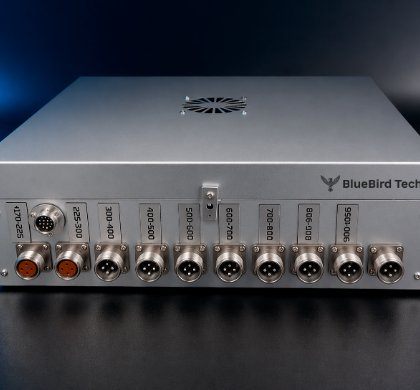
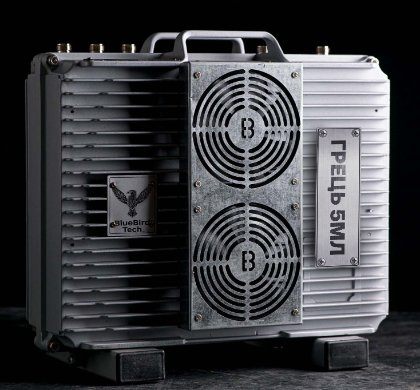
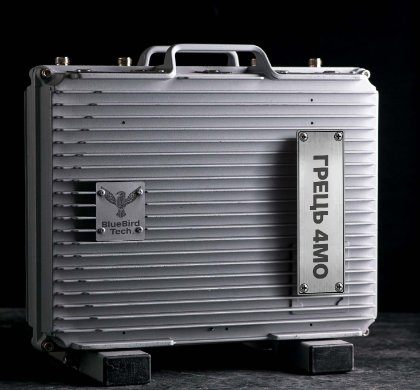
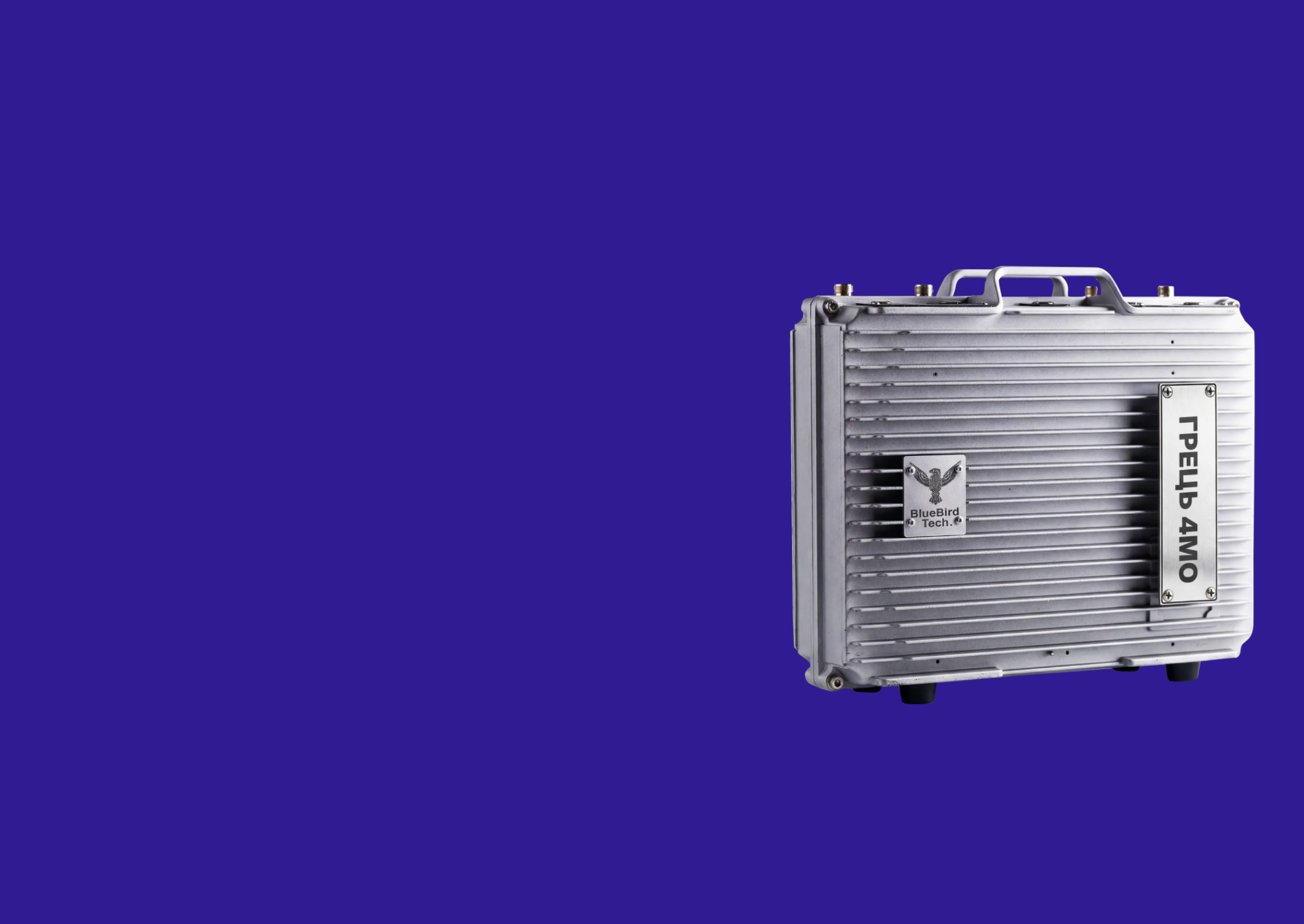
Trench models are deployed near positions, bunkers, fortifications, and observation posts. This group includes Hrets 3M, Hrets 4M, Hrets 4MO, Hrets 5UL, Hrets 5ML, Hrets 6M, and the modular Hrets XL. For mobile groups, portable EW systems are available, including the EW backpack“AntiDrop” for countering DJI Mavic drones. For tasks requiring simultaneous operation across multiple frequency bands or an expanded configuration, EW systems are used.
|
Equipment type
|
Purpose
|
Key features
|
|
Compact EW system
|
For mobile groups and rapid deployment.
|
Low weight, easy transportation, and the ability to quickly relocate the system.
|
|
High-power EW system
|
For extended operation at positions and stationary sites.
|
Higher power output and a denser radio-jamming field.
|
|
Modular EW system
|
For adapting equipment to specific frequency threats.
|
Configurable setup and the ability to replace individual frequency modules.
|
|
FPV counter-UAS EW system
|
For disrupting the control and video transmission channels of FPV drones.
|
Operation across frequency bands used by the relevant FPV systems.
|
|
EW system against DJI Mavic
|
For disrupting the control and video transmission channels of quadcopters.
|
Primarily operates in the 2.4 and 5.8 GHz bands.
|
|
UAV signal suppressor Hrets 4G
|
For blocking UAV mobile communication channels.
|
Jamming of CDMA, GSM, 2G, 3G, and 4G within the stated operating range.
|
The wide range of systems makes it possible to select equipment for a specific scenario: protecting a position, vehicle, route, mobile group, or stationary site. Therefore, EW systems should be compared primarily by their intended use, operating frequency bands, and deployment conditions, rather than solely by power output or the number of channels.
How to choose an EW system
For protecting trenches and observation posts, consider compact or high-power position-based models. For crews and vehicles, key factors include the mounting method, power supply, and the ability to operate while moving. Mobile groups need lighter solutions that can be carried and quickly put into operation. If the relevant threat frequencies change, modular systems may be worth considering.
Before you buy an EW system, compare the operating frequency bands, number of channels, power consumption, weight, antenna type, enclosure protection rating, configuration, and compatibility with available power sources. For equipping military units, you can also explore the EW systems for defense units category.
Benefits of BlueBird Tech EW systems
BlueBird Tech offers EW systems Hrets for different types of UAV threats and deployment scenarios. The models vary in operating frequency bands, power output, and deployment format, making it possible to select a system for protecting a mobile group, position, vehicle, or stationary site. EW systems Hrets 4MO and Hrets 4MC have NATO codification.
Key benefits of the line include Ukrainian development and manufacturing, multiple equipment formats, configurable frequency options, compatible power sources and accessories, product-selection guidance, and service support. Current specifications, configurations, pricing, and availability can be confirmed through the official BlueBird Tech channels.