


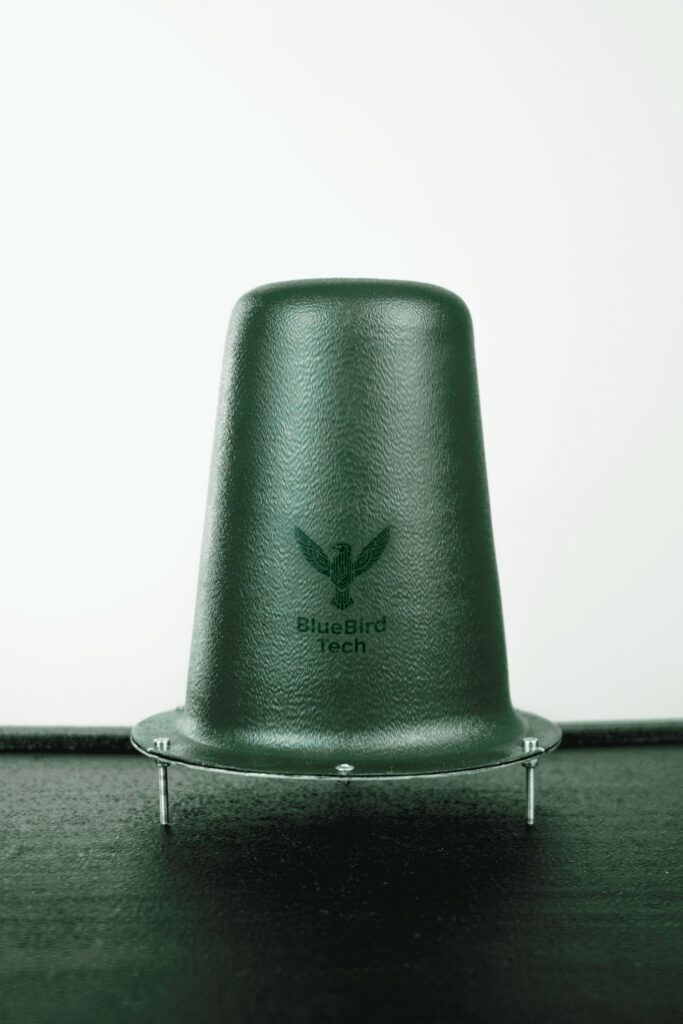
Antenna Harpyna 2.4 GHz
“Harpina” 2.4 GHz antenna is an EW antenna for counter-UAV systems targeting DJI Mavic drones, featuring circular polarization and a power handling capability of up…


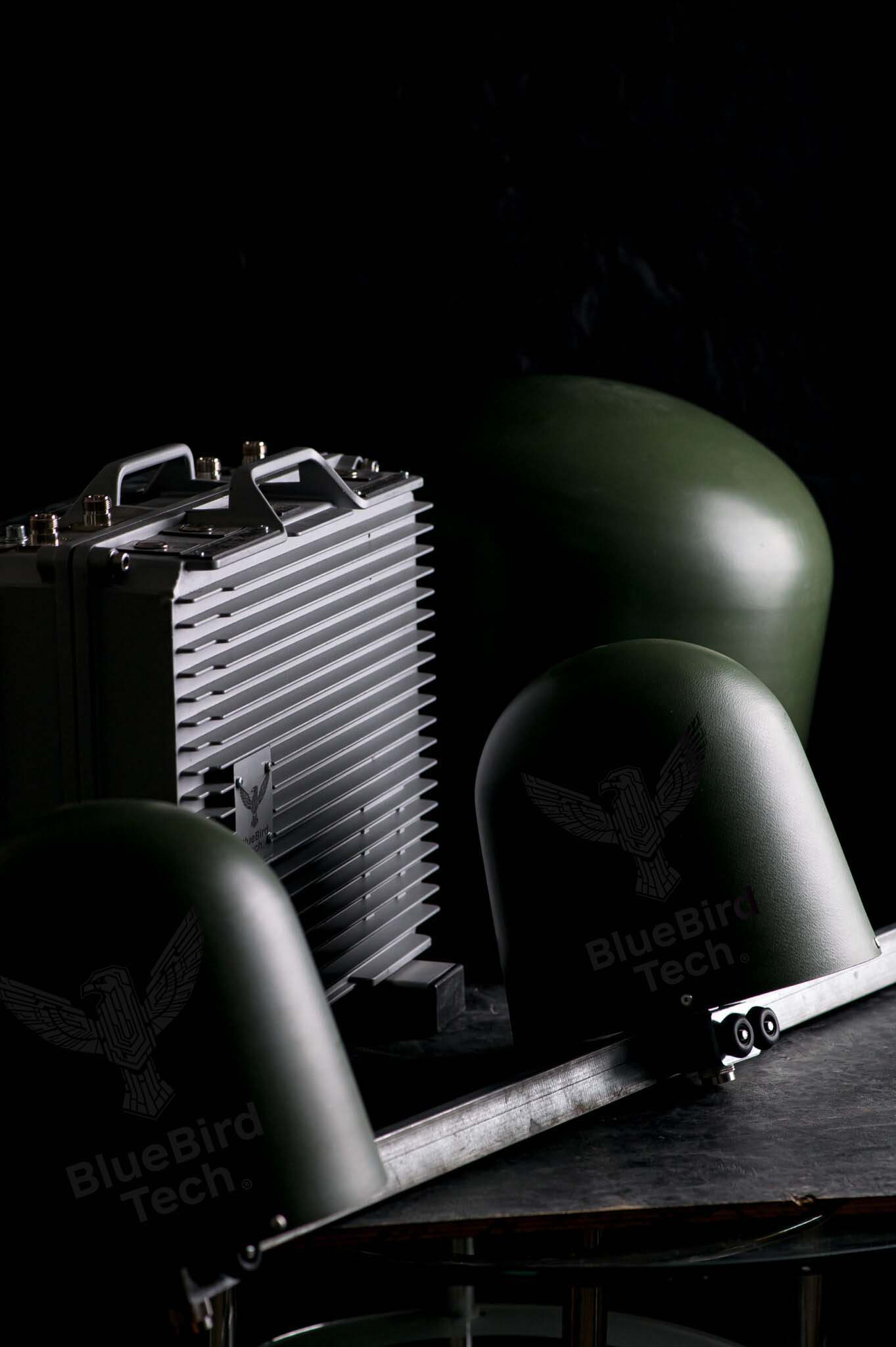
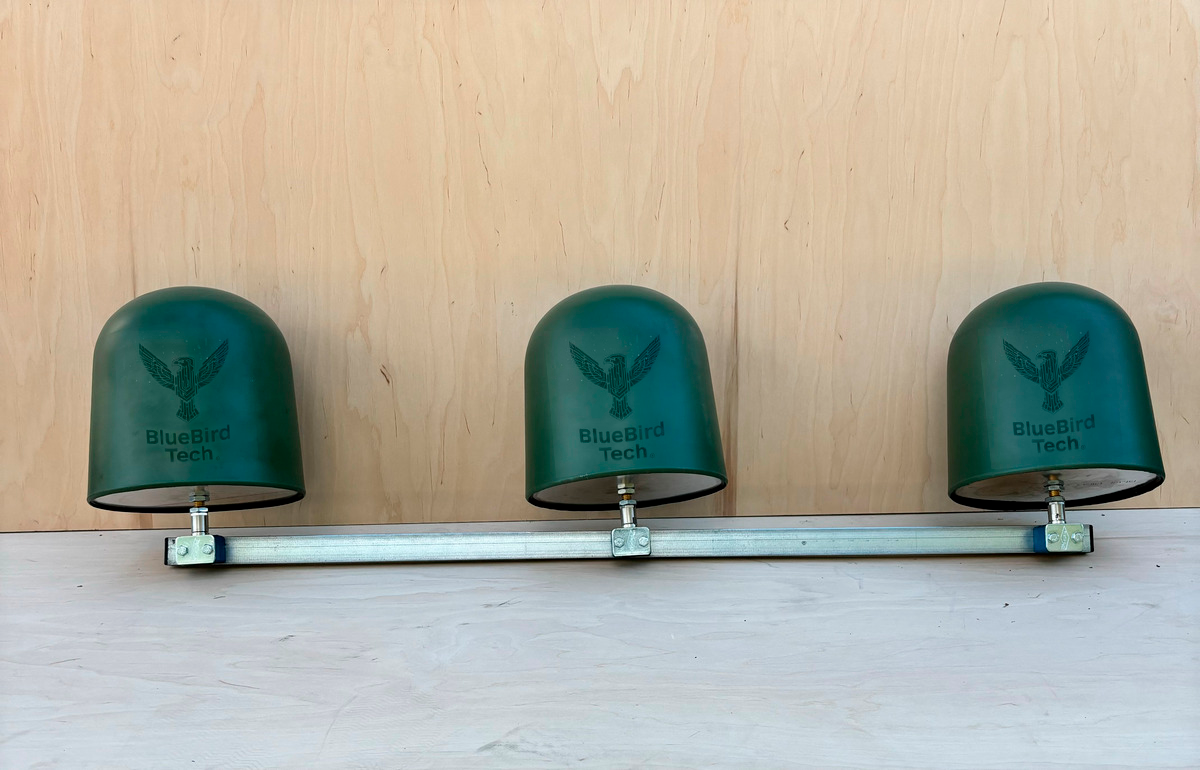



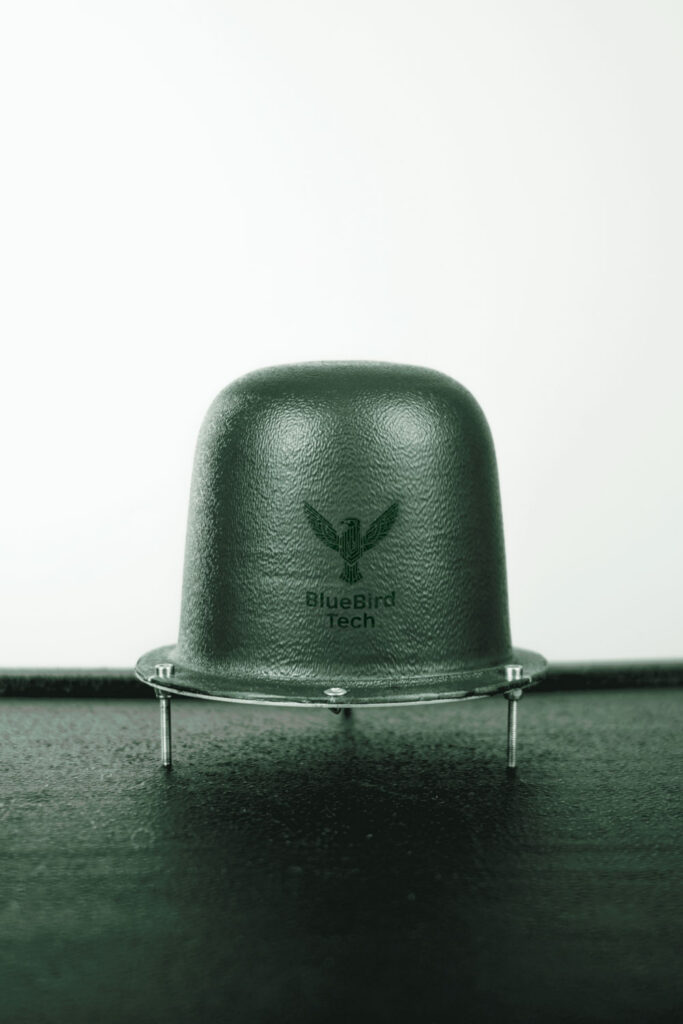
The “3-in-1” quadrifilar antenna is a dome-shaped antenna for EW systems designed to counter FPV drones, featuring circular polarization and a power handling capability of up to 100 W.
| Parameter | Specification |
|---|---|
| Quadrifilar 700–850 MHz | |
| Frequency | 700-850 MHz |
| Gain | 6 dBi |
| Polarization | Circular |
| Bandwidth | 700-850 MHz |
| Input impedance | 50 Ohm |
| Power | 50 W |
| Connector | N male |
| Operating temperature | -40℃~+85℃ |
| VSWR | 700 – 1,3 / 850 – 1,6 |
| Dimensions | 230 x 220 x 220 mm |
| Weight | 800 g |
| Quadrifilar 800-950 MHz | |
| Frequency | 800-950 MHz |
| Gain | 6 dBi |
| Polarization | Circular |
| Bandwidth | 800-950 MHz |
| Input impedance | 50 Ohm |
| Power | 50 W |
| Connector | N male |
| Operating temperature | -40℃~+85℃ |
| VSWR | 1.4 (across the entire frequency range ) |
| Dimensions | 230 x 220 x 220 mm |
| Weight | 800 g |
| Quadrifilar 900-1050 MHz | |
| Frequency | 900-1050 MHz |
| Gain | 6 dBi |
| Polarization | Circular |
| Bandwidth | 900-1050 MHz |
| Input impedance | 50 Ohm |
| Power | 50 W |
| Connector | N male |
| Operating temperature | -40℃~+85℃ |
| VSWR | 900 – 1,4 / 1050 – 1,3 |
| Dimensions | 230 x 220 x 220 mm |
| Weight | 800 g |
Dome-type antennas – the quadrifilar “3-in-1” by BlueBird Tech – are a set of quadrifilar antennas with circular polarization, designed for EW systems to counter FPV drones. Their key feature is the formation of an electromagnetic dome above the protected object, ensuring effective protection against aerial threats from above and stable performance with signals of varying polarization. They are used as part of EW systems to protect equipment, positions, and facilities in field and combat conditions.


Delivery is carried out exclusively via Nova Poshta. Other delivery services are not used.
Warranty for dome-type quadrifilar “3-in-1” antennas is 12 months from the date of purchase.
Warranty service is provided by the manufacturer’s service center – BlueBird Tech.
The warranty does not cover defects resulting from:
The company processes returns and exchanges in accordance with applicable legal requirements.
Return terms
Returns are possible within 14 days after receipt (for goods of proper quality).
Return shipping is arranged in accordance with prior agreement.
According to applicable legislation, you may return or exchange a product of proper quality if:
You pay for the order in full and pick it up at the post office.
 5.0· 4 reviews
Відгук з фронту: військові дякують за надійні антени для РЕБ!
Ці антени показали себе з найкращого боку. Купол працює стабільно, навіть у складних умовах. Дрони зверху більше не створюють проблем, усе блокується чітко. Дуже задоволені результатом!
Використовуємо ці антени вже кілька тижнів. За цей час не помітили жодних недоліків. Антени легкі, компактні, ніяких проблем із монтажем і роботою. Дуже корисна річ для захисту техніки і не тільки!
Поставили ці антени під Часовим Яром для нашого РЕБ. Не можемо передати, як ми задоволені! Антени компактні, легкі установці та найголовніше — ефективні. Тепер можемо виконувати завдання без зайвих турбот. Дякуємо за таке чудове обладнання!
About the manufacturer of dome-type antennas – the quadrifilar “3-in-1”
 Firmware update
  Offline access to instructions,



that our original BlueBird Tech devices can only be purchased from us, on the manufacturer’s official website: blue-bird.tech
and on the official websites of our partners: flasharmy.com.ua, market.brave1.gov.ua, bezpeka.pro





An EW antenna is a component of an electronic warfare system used to transmit jamming signals within a specific frequency range. Such antennas are designed to affect UAV control channels, telemetry links, and data transmission systems.
EW systems use quadrifilar, sector, omnidirectional, and other specialized antennas operating across different frequency ranges. The choice of antenna type depends on the mission, the required coverage sector, and the types of UAVs the system is designed to counter.
An omnidirectional antenna radiates a signal in a full 360-degree pattern, providing circular coverage around itself. A sector antenna concentrates the signal within a defined sector, enabling higher efficiency and stronger performance in a specific direction.
Quadrifilar antennas are used in dome-type electronic warfare systems to create a wide coverage area. Thanks to circular polarization, they ensure stable performance against UAVs regardless of their orientation in space.
When selecting an antenna, it is important to consider the operating frequency range, target type, system use case, and required coverage area. It is also essential to take into account polarization type, gain level, and allowable power handling.
Depending on the model, BlueBird Tech antennas operate across different frequency ranges from 160 MHz to 6 GHz. This allows them to be used in systems designed to counter FPV drones, various types of UAVs, and other wireless communication systems.
Antenna gain indicates how effectively an antenna focuses the signal in a specific direction. The higher the dBi value, the more efficiently the antenna concentrates radiated energy into a defined area.
Polarization affects system performance and interaction with the target. Depending on the type of UAV and the operational scenario, antennas with circular, vertical, or horizontal polarization may be used.
Quadrifilar antennas with circular polarization are most commonly used in dome-type electronic warfare systems. They enable uniform coverage around an object and provide protection from multiple directions.
Each antenna is designed to operate within a specific frequency range. For maximum efficiency, it is necessary to use models whose specifications match the EW system’s operating parameters.
Antennas for EW systems, including quadrifilar, sector, omnidirectional, and specialized models, can be purchased through official BlueBird Tech channels. When selecting an antenna, it is important to consider the type of system, operating frequency range, and environmental conditions.
Увійдіть тим самим акаунтом, що й у застосунку Чуйка та програмі Blue Coins.


